The life of an elderly delinquent in limericks – with free optional snark…
Being old, I can say without rancour
That someone has pulled a quick flanker
It’s incredibly strange
How my homeland has changed
To a country that’s led by a wanker
Two Women and Some Books
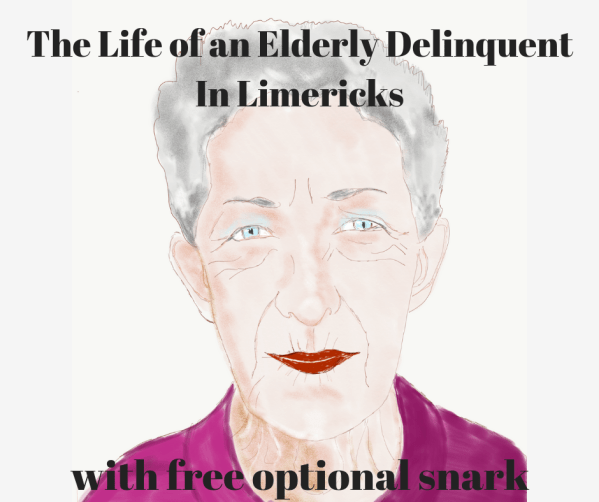
The life of an elderly delinquent in limericks – with free optional snark…
Being old, I can say without rancour
That someone has pulled a quick flanker
It’s incredibly strange
How my homeland has changed
To a country that’s led by a wanker
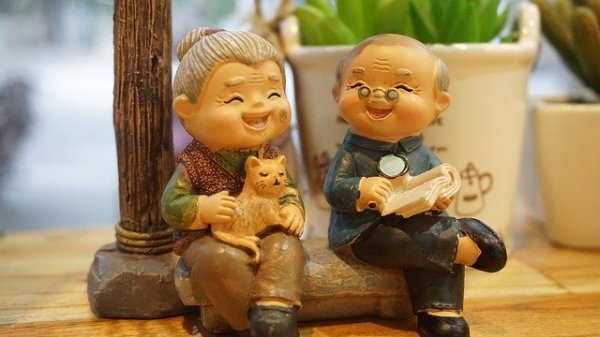
Bertie and Bessie sat on their accustomed seat and studied the two Biggers who cavorted in the dubious concealment of the summerhouse. There was rather a lot of kissing and giggling at first, but then the behaviour became downright puzzling. The man had his hands inside the girl’s chemise and some other parts of his anatomy right up under her flimsy excuse for a skirt.
“What they doing Bert?”
“I think that’s how they make new Biggers.”
“Well don’t you be thinking about no such nonsense.”
He looked at her impervious concrete bosom and shook his head firmly.
“No ma’am…”

Wings of Earth is a hard sci-fi space opera, by Eric Michael Craig. This is an extract from Wings of Earth: 4 – Beyond the Edge
Walton Terry sat staring at the small button in his hand. The light hadn’t come on yet, but inevitably it would, and when it did, he would push it. He tried not to think about what it meant and what might come from it. He was doing a job and there was nothing more to it than that.
Somewhere several kilometers across the dome, three of his people were hooking up wireless connections and hiding micro-charges in the superstructure of one of the oldest buildings on Mars. Once they had finished and circuits were live, the light would turn green and it would be time. His orders had changed in the last few minutes, and now instead of waiting to give his people a chance to escape, his orders were to push the button immediately.
It was essential that no one would survive to tell what happened.
Walton was smart enough to know that included him. Somewhere, hidden where he could not see, he knew there would be a sniper waiting and watching over him. Once he’d done the deed, they would erase him along with those who served with him. It was the price of dedication to a cause greater than the value of a life.
Or even four.
Walton leaned back on the bench, trying not to look nervous. In fact, he was trying not to think about anything except the button. In reality, it didn’t matter what the target was, he was simply to do the job and trust that those who had sent him on this mission understood why it was so important.
Across the concourse, a small park filled in one of the cracks between buildings of the immense dome of the Robinson Colony. It had been the third dome built on Mars after humanity had begun to escape the collapsing biosphere of Earth. Over 200 years old, it was the sanctuary that kept humanity alive on Mars during the Burroughs Outbreak of the early days.
Now filled to capacity, the dome was home to over twenty million people. Walton watched a family playing in the small open space. A mother supervising her three children as they threw a flying disc back and forth. It was a normal life, of a normal family, on a normal day, that was about to be shattered.
The actuator in his hand vibrated as the first of his people logged that they had completed their task. He glanced around drinking in what he knew would be the last moments of normalcy. Another few moments and the reality of life in Robinson would forever change.
A second hum, followed by the third, and the time had finally come. He hesitated, looking around and scanning the tops of the nearby buildings for some sign of the one that would take him down. Seeing no one didn’t surprise him, but it did leave him wondering whether he would be lucky and walk away.
Taking a deep breath, he slid his thumb forward over the button and clenched his hand closed.
Distant thunder rolled through the dome, shaking the ground beneath his feet. Growing up on Earth he knew what thunder was, but the Martians living in this dome had never heard it. The children stopped playing, looking around in fear. The mother bounced up and stared at the artificial sky above. Somewhere in the distance someone screamed.
Walton stood up, turning once more and watching for any sign of the coming bullet.
He didn’t have long to contemplate his fate. A stabbing pain tore through his chest and he dropped to his knees, releasing the button from his hand. Watching it tumble to the ground as he collapsed into darkness, he fell as surely as the hospital building and the abominations incubating inside.
Wings of Earth:Season One is now available on preorder as a box set.
A Bite of… Eric Michael Craig
The problem with this question is that I have MANY heroes in each book. Who is the hero in Stormhaven Rising? I think it’s Sylvia Hutton or Dave Randall, or even Mica, but most people think it’s Colton Taylor. While a lot of me shows up in the personality and background of Colton, he is in my thinking a tool of the story and not the hero. He is more a part of the setting embodied, and not really a hero in any sense of the word.
Who was the hero in STL? Again, to me there were several. Even those who were at odds with my main characters were heroic. So, I have to say that one also is hard to nail down.
Although my Wings of Earth stories are focused more around the character of Ethan Walker, I generally write ensemble cast stories, more than I write heroic arc tales.
This really tends to make the hero in my books part of a team.
When the whole team is the hero, then the answer has to be that ALL of me is in there.
But I’m hiding in several bodies.
Okay. I write for MONEY. Actually, I enjoy writing, although I discipline myself to do it not recreationally or as a hobby, but with the goal of becoming stinking rich. I say this not because I am particularly avaricious by nature. In fact I have a reason to want a solid bankroll and anyone who knows what Stormhaven embodies and where my personal backstory parallels Colton Taylor’s will understand what that is.
I’ve got a long way to go yet, but eventually I plan to make it most of the way there. Hopefully I will get far enough.
Yes, but no. Honestly, I will admit that there is a person that I have written into my books to make them suffer, but to me even as I wrote it, that felt kind of petty. I don’t want to describe the character or how I made them suffer because they would probably recognize themselves, and they might actually read my books. Admitting that was my intent, might give them legs to make things difficult for me, and that just isn’t something I want to deal with.
In truth, I have put aspects of this person into several characters, but I chose not to make them suffer too badly. It’s a foolishly stupid therapy technique, and forgiveness is far more effective at a personal level, than vicarious vengeance anyway.
I have seen this done far too often in other people’s work, and to me it ruins the story telling. Maybe I’m an optimist, but even a character who is despicable is worthy of redemption. Figuring out how to understand what it is that made them the way they are is a far more interesting use of people I don’t like (And a lot more therapeutic too).
Coffee cake, because… coffee. Duh!
Eric Michael Craig is a “harder-edged” Science Fiction writer living in the Manzano Mountains of New Mexico. He is the former Director of Research for a private consulting laboratory in Phoenix, where he experimented with inertial propulsion and power generation technologies.
Eric is a founding member of the SciFi Roundtable. The SFRT is an active online group dedicated to supporting indie and traditional authors by networking them with other writers and professional resources.
When not writing, Eric is active in Intentional Community Design, plays guitar and bass, occasionally dabbles in art of various forms. He also owns way too many dogs. You can keep up with him on his own website, sign up for his newsletter or follow him on Facebook and Twitter.
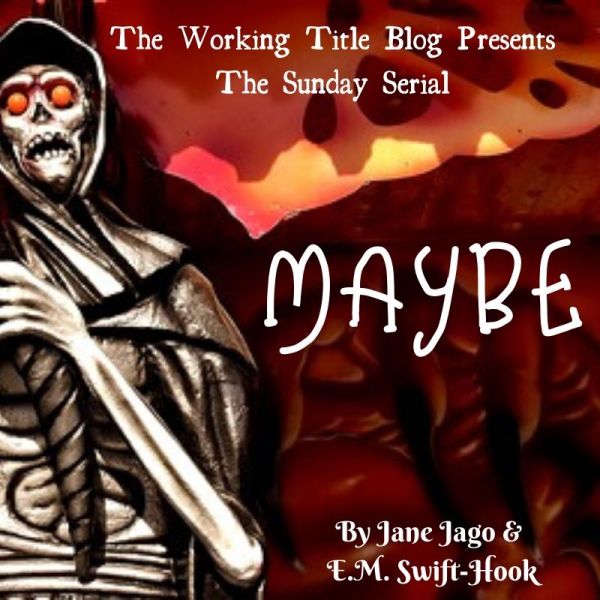
Maybe by Jane Jago and E.M. Swift-Hook . Sometimes we walk the edges of realty…
CHAPTER FOUR: ANNIS
Inwardly cursing the arrogance and stupidity of the vampire, Annis grabbed Jessica by the wrist as the ground opened up under the human woman’s feet. Fortunately the cats caught her urgency and grabbed pieces of clothing in their teeth. Between them they managed to drag Jess away from the chasm just as it started belching fire.
Annis turned a snarling face to where the vampire had been standing, only to find he had run away as fast as his legs would carry him. She pulled on Jessica’s wrist.
“Get up. Must run.”
They ran under the rollercoaster to the bottom of a red-painted ladder.
“Up.”
“I can’t.”
“Can. Will. Before Old One comes.”
A day ago, she might have argued, but now the stench of decaying flesh acted as a goad to Jessica who began climbing with more speed than care. As she followed the labouring woman, Annis was glad it was only a short climb up a caged ladder. At the top of the ladder she ushered Jess through the door into the relative sanity of home.
“How? I mean why? This isn’t where it was before? And where did the fire come from?”
She was clearly right on the edge of panic and Annis gently compelled her to sit.
“I tell. You listen. Have not word. Is long before I talk human. Wait…”
She collected her thoughts.
“Home is always same place. Fairground moves. Other things I show.”
Annis groped in her mind to find words to explain what was going on, but it was so difficult to find the human sounds to explain the difficult concepts she needed to get across to Jessica. One of the Panthers came over and placed his forehead against her, reminding her how she had learned to speak cat. She smiled and purred at him.
“Jessica trust Annis?”
Jess nodded and Annis put her forehead against the older woman’s silently absorbing language. Jessica grinned and giggled.
“Tickles don’t it?” Annis grinned back. “Now I can better,” she grimaced apologetically “have words but not…”
She suddenly grinned in triumph. “Grammar!”
Jess punched the air in a gesture of solidarity.
Annis continued. “I tell you story then show some things. In 1974 rollercoaster is closed for paint. Painters use blowtorches to take off old paint. Is believed that torch lights gas from landfill site under fairground. Whole fairground goes on fire. One hundred people die. Many more injured or maimed. But fire also wake the Old Ones, who enjoy fire and fear and pain. So they make it happen time and time again. Every time, I watch, and I suffer the screams of the dying. Is bad.”
She stopped speaking and swallowed a huge lump in her throat. Jessica held out a hand and she grasped it hard.
“Then vampire brings you here. And now I have hope.”
“Why?”
“Because you are old soul. Vampire recognises and wants.”
“Why does he want me?”
“In his mind he knew you long time and he sees you with wind in hair, and bare here,” she touched her own small chest.
“Oh. My dream. I see. But how do I give you hope?”
“Is difficult. May sound as if I make use of you.”
“But you don’t. Do you?”
“No I would not.”
“Besides which,” Jessica said wryly “I don’t think it would be possible for me to just walk away.”
“Think not. But we can try if you would like.”
“No. I know in my bones that I can’t. Tell me what I have to do.”
“Can’t. Not yet. Must show you things first.”
Part 11 of Maybe will be here next week…
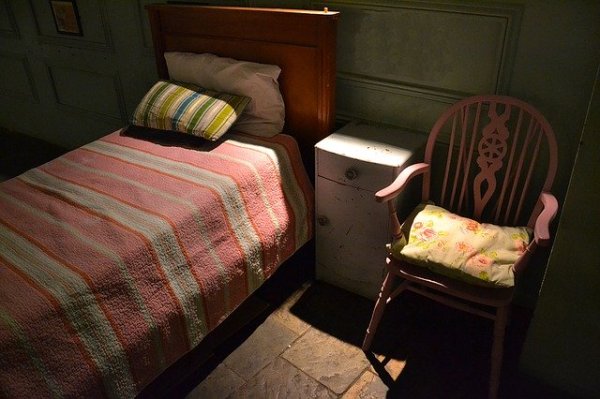
I’m saving for my retirement, he said
As he polished his broken-down shoes
He worked like slave til his chilblains bled
And he never bought anything new
He ate only foods of the cheapest variety
And practised the virtues of frugal sobriety
His home was sparse and squeaking clean
Without internet, phone, or TV
If asked he’d say I am not mean
I’m saving my money for me
I’m saving for my retirement, he said
He was just fifty-three when he died in his bed
They set out for Brighton bright and early on Saturday morning, and Sam found himself more nervous than he was willing to admit, although he didn’t quite know why. A rather giggly lunch in a tiny pub on the downs, where Anna and Bonnie were obviously well known, did a good deal to restore his equilibrium, and he was able to sit back and relax as Anna drove the last few miles to Downsview, and their meeting with Ted.
Sam hadn’t been to sure what to expect a private facility for the care of dementia patients to be like, and he was pleasantly surprised by the homely look of the place. They parked the Audi, and a large young man came quickly over to the car. Anna opened the door.
“It’s only me Pete.”
The man smiled.
“Sorry, Miss Marshall. I didn’t recognise the car, and we’ve been having a bit of trouble recently with prying eyes.”
“Bastards. This is my partner Doctor Henderson. Sam, this is Pete Moss, who stops people from making money by publishing stuff about the folks who live here.”
“Pleased to meet you, Pete.”
“Likewise. Doctor? Of medicine?”
“Yeah.”
“Do you do sewing? Justine has cut her hand badly, and the local NHS dragons are refusing to send anyone out over the weekend.”
“Sewing is my forte. I’ll get my bag and have a look.”
Sam followed Anna and Bonnie towards the noise of a small disturbance inside the big, rambling house. There seemed to him to be entirely too many people in the room.
“Clear the room please, Anna. Ideally just me and Bonnie.”
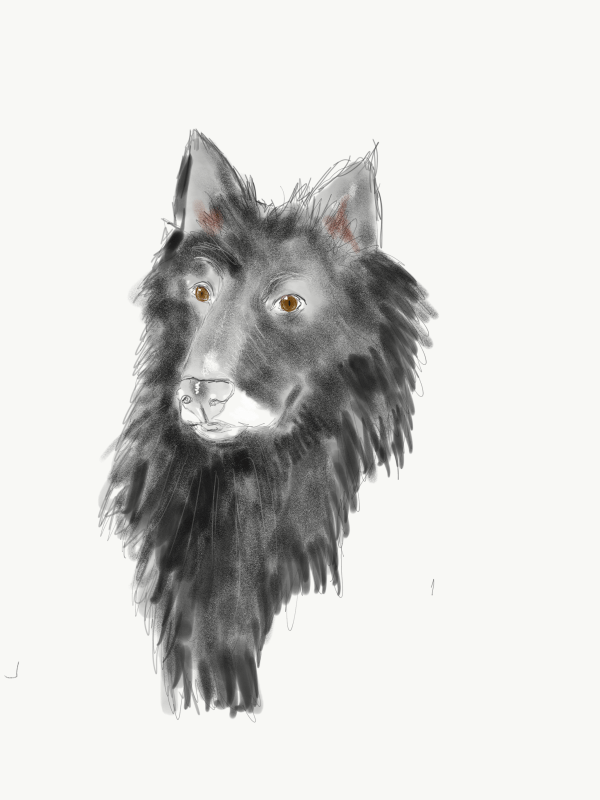
Anna swung into action, and the room cleared. Sam went in with Bonnie at his heels. He saw a very lovely woman with blood dripping from her left hand. She seemed to have that hand clenched around something, and he set about getting her to let him look at the damage.
“Hello Justine. I’m Sam. Me and Bonnie have come to see to your hand.”
“Bonnie. Bonnie come.”
Sam signalled, and Bonnie stayed at his side.
“Bonnie doesn’t like the blood on your hand. Let me clean it up and then she’ll talk to you.”
Justine extended her hand and slowly unclenched it. He saw a large piece of glass embedded in her flesh. Opening his bag he donned surgical gloves and took out a dressing pack.
“Okay Justine. Bonnie and I are going to clean you up now.”
He used disposable forceps to remove the glass from the wound, then swabbed the hand with strong disinfectant. Bonnie wrinkled her nose, but stayed still beside Sam.
“Good dog” he whispered.
The hand was bleeding sluggishly, and he decided it definitely needed stitches.
“Does it hurt, Justine?”
She thought for a moment.
“No.”
“Can I sew it up then, so Bonnie will come and give you a cuddle?”
“Sew. For Bonnie.”
Being unsure whether or not his patient was on any medication, Sam opted to try and suture the cut without local anaesthetic. He called Bonnie a little closer then tried a stitch. Justine didn’t flinch, keeping her eyes fixed on Bonnie’s elegant, black face. Sam heaved an inward sigh of relief and set another dozen stitches as quickly as he could. Then he cleaned Justine’s hand again, and wrapped it in a clean bandage, fixing the bandage in place with elastic strapping.
“You’ll do. Now Bonnie will come and see you.”
He motioned the dog forward and Justine buried her face in the soft black fur. Anna re-entered the room followed by a big loose-limbed man and a uniformed nurse.
“You were brilliant. Nobody could get her to even open her hand.”
“I had Bonnie.”
Then he turned to the nurse.
“Is she on any medication?”
“Nothing.”
“Any allergies?”
“No.”
“I’ll give her a shot of penicillin then, just in case. It looks clean, but a shot wouldn’t hurt. I’ve put in self-dissolving sutures, so you won’t have the problem of getting them taken out.”
He turned to Justine, and taking a syringe from his bag he rolled up her sleeve and neatly popped an injection into the muscle. Justine didn’t twitch, but Bonnie regarded him approvingly.
The man beside Anna spoke.
“Thank you very much, doctor. I didn’t think they were sending anybody.”
Anna laughed.
“They didn’t. This is Sam. Sam, this is Ted.”
Sam drew off his gloves and put them in a disposal bag with the bloody swabs, used needles and other detritus. Then he held out his hand to Ted.
“Pleased to meet you.”
“Ditto. And even more thanks. Justine can be very difficult to deal with, but you handled her beautifully.”
“I had Bonnie.”
“You did. And she also has a weakness for handsome young men.”
Sam laughed.
“Not guilty. I reckon it was all down to a sagacious hound.”
After that the time passed easily. While Anna and Bonnie visited with Justine, Sam and Ted took a walk in the grounds. For a while they walked in silence then Ted cleared his throat.
“There were a lot of things I was going to say to you about Anna, but I don’t know if I can now. I saw the way you dealt with my poor empty wife. I saw kindness mixed with professionalism. Then I saw the way you looked at Anna. I think you two have a shot. Don’t lose it. Don’t lose her.”
“I won’t. I had a lousy marriage. It ended. I managed alone. Then I met Anna. I’ve got a second chance. I won’t do anything to jeopardise that. And I love her.”
“Then I hope we can be friends. I think a great deal of Anna, and I’d like to keep her friendship.”
“I don’t have a problem with that. And I do know that you were lovers. I don’t have a problem with that either. I just wanted you to know that Anna and I have no secrets.”
Ted coloured, then grinned.
“I’m glad you know. But I wasn’t using her.”
“I didn’t think you were. She wouldn’t be as fond of you if you were.”
A voice from the building interrupted their talk, it was Anna. “Come in, you two. Justine wants a tea party.”
From The Cracksman Code by Jane Jago
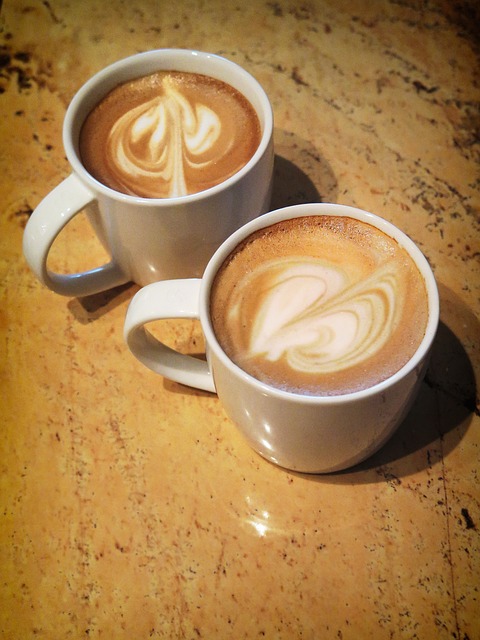
Let’s make a toast with coffee or raise a mug of tea
To friendships that we’ve known before and those still yet to be.
Let’s share a cup of kindness and bring them all to mind
The people we still keep in touch and those we’ve left behind
Let’s give a moment here and there in life’s so busy daze
To those who’ve held our hands in troubled times in different days.
The names that still can bring a smile when we their deeds recall
Even if it’s been a while since we heard from them at all.
The bonds that weave our friendships may be weak or maybe strong
They may last just a holiday or for all our life long
So make a toast next time you pause for just another cup
And think of those you call your friends – and maybe call them up…
Bonjour mes estudas
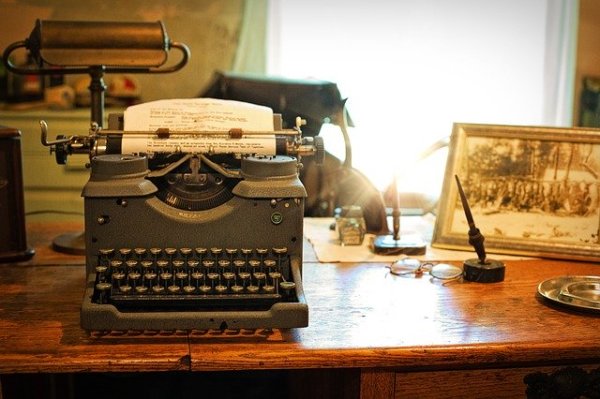
It is I, bestselling author and all-round excellent human being, Moonbeam Farquhar Metheringham IV. Here to pass on the fruits of my intellect to those lesser beings – such as yourselves – who struggle through the dilemmas of life, love and literature.
Today we have a question from Ian (is it only I who has noticed what a plain and boring cognomen is Ian?).
Dear Ivy,
Is there a reason I struggle to feel immersed in present tense writing? What, if any, are the pros to writing the seldom appreciated tense when past is available and most prefer it?
Your Adoring Fan,
Ian.
My very dear Ian,
This is the sort of question that exposes the ignorance of one’s little students to the glare of the public eye. One does not, silly boy, write in tense. One writes intensely. When the Muse sits on one’s shoulder and whispers his seduction into one’s shell-like ear one does not allow the constraints of grammar to befoul the flow of beautiful prose from one’s metaphorical pen. One cares not whether one’s protagonist speaks pastly, presently, or futuristically. It matters not. The outpouring of one’s artistic sensibilities will carry the reader of taste along on the flood tide of emotion and adoration.
Good writing, has it not been often said, is timeless. So do not concern yourself with whether the events written are here and now, now and then or soon to be. Ignore the trite distinctions that are mere verb forms and peer more deeply into the flowering blossom of prose. The present is the immortal now and as such is a fitting medium for the more discerning artistes of the literary world. Those who prefer the most opulent and rare of words to cluster in their paragraphs and for whom the tawdry details most lesser authors need to observe are become merely optional as they have grown beyond them.
Oh no, my dear little Ian, immersion in writings should not be a function of tense, person, or voice. Should you fail in your endeavours to understand the writing you are drawn to, there are but two possible reasons for this miserable failure. The first possibility is that you are in the hands of a writer who cannot handle their chosen means of communication. The second, sadly, is that there is a lack in you.
I hope, whilst yet fearing it likely, the latter is not the case, and that you will eventually find an author whose sensibilities march alongside your own. One who will fully immerse you in the embracing sensuality of their prose regardless of tense, gender, sexuality, or language.
Yours with gently reproving affection,
Moonbeam Farquhar Metheringham IV
If you have a literary problem you may avail yourself of one’s wisdom by posting to my Facebook presence.
You can find more of IVy’s profound thoughts in How To Start Writing A Book courtesy of E.M. Swift-Hook and Jane Jago.
The lamplight shone into Hannah’s cell, hurting bright.
“There’s a woman in here. Tied.”
“Cut her free. And bring her.”
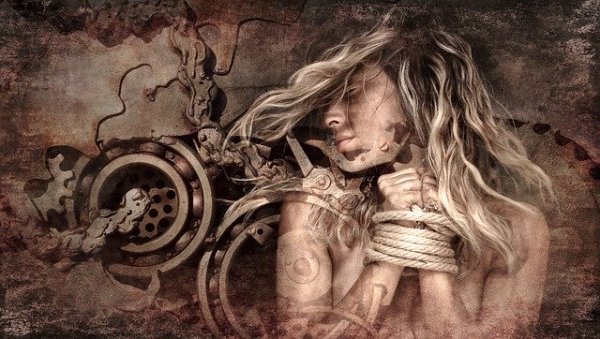
Careful hands turned her, and something sharp was gently slipped behind her bonds. She couldn’t help but cry out as the blood rushed to her hands and feet. Someone began rubbing her extremities with warm hands while another carefully cut the cruel bonds from about her throat.
The one who carried her upwards was gentle and smelled of sandalwood soap.
“I wonder what the poor little bitch did.”
“She must have been lovely once. And that’s enough in these parts.”

Alina dragged herself into the bathroom, deeply thankful for a double-wide shower stall, big enough to accommodate her burgeoning belly. She heard Joran return to the bedroom walking softly and felt him enter the shower behind her. He supported her carefully while she soaped and rinsed.
“Won’t be long now…”
She turned and kissed his cheek.
“Thank you.”
Joran helped her out of the shower and dried her tenderly on a big fluffy towel.
When she was dressed in a loose flowing gown with her hair properly imprisoned in a silken net, she took both his hands in hers.
“Has your father returned?”
“Aye. But he had no luck.”
With her last hope gone, Alina heard her own cry of agony as if from afar. She held her husband’s eyes with her own, aware that the misery in his expression was mirrored in her face.
She dropped his hands and placed her own palms on her stomach.
“There are two lives in here Joran. We only have a licence for one.”
She thought his face was the bleakest thing she had ever seen.
“I know. And how do you think I feel?”
“I don’t think I can begin to understand. Will you have to kill one of us?”
“Yes love. I can only leave the delivery room with one extra life. The Numbers prohibit any more. My family has only lost one member since the last child was born a decade ago.”
“Then you must kill me.”
He fell to his knees and buried his face in her white gown.
“That has already been suggested to me. I will not rip out my heart.”
“Then will you rip out mine? I have grown two lives here inside me. I cannot allow one to die.”
Joran stood up and they clung together like children. Caught in the toils of intractable law and unable to see a way out, all they could do was hold on and perhaps pray.
By the time of the family meal they had collected themselves enough to behave with propriety, and they even managed to ignore the spuriously sympathetic looks cast their way by those family members who had lost out to them in the childbirth lottery.
It was a long day, and the heat and humidity of the air in the place of the women all but brought Alina to her knees. But she had sufficient pride not to give in, and she was sitting tall and straight when Joran and his Grandfather entered the room.
They came straight to her side. Joran’s eyes were bright with unshed tears, but he smiled at her through them. Grandfather spoke directly to her.
“The Numbers have changed. Both your children may now be welcomed. Old Grace went to the God today. By her own hand. This was her gift to you.”
Alina thought she might faint, but managed to hold firm.
Joran took her hand.
“We will call our daughter Grace…”

